

Water Bill
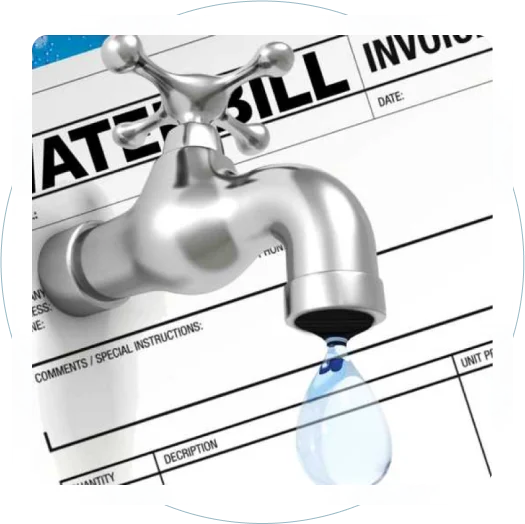
The Water Bill Mobile Application is a platform designed to revolutionize the way customers interact with water utility providers. The application aims to streamline billing processes and improve customer and utility companies' overall user experience by leveraging advanced technology. This case study will provide an overview of the project objectives, the user problem, the solution provided by the mobile application, the challenges encountered during development, a competitive analysis, the technology and tools used, the app's benefits, the development process, and the results and benefits delivered.
Industry
Management, Government
Project Type
App Development
Platforms
Android
Services Provided
Development
The Solution
The Water Bill Mobile Application addressed these problems by providing an intuitive and user-friendly interface. Users could easily join in to their accounts using their credentials, view the status of each bill, and access all of their bill details.
Electronic Billing
Generate accurate water bills based on actual consumption, providing users with a convenient way to access and download their bills electronically.
Notifications and Alerts
One can send timely notifications to users about bill generation, due dates, and updates on service interruptions or water quality issues, ensuring users stay informed.
Secure Authentication
A secure authentication system is implemented to protect user data and ensure that only authorized individuals can access their accounts.
Comprehensive Bill Details
Users can access a comprehensive view of their bill details, including paid, unpaid, and overdue bills, helping them keep track of their payments.
Digital Receipt Generation
Users can generate digital water bill receipts, reducing the reliance on paper-based receipts and promoting eco-friendliness.
Integration with Existing Systems
Integrate seamlessly with existing billing systems and databases, ensuring the app can retrieve and update user and bill information accurately.
Technologies & Tools
The Water Bill Mobile Application was developed using modern technologies and tools. The front-end was built using Flutter, ensuring cross-platform compatibility. The back-end utilized a combination of .net and a robust database management system to store and retrieve user and bill information securely. Data encryption techniques were employed to enhance the security of user data.


Development Process
The development process involved the following stages:

Gather requirements from stakeholders.

Plan and set up sprints for development.

Design wireframes and prototypes.

Develop features in iterative cycles.

Conduct regular testing and bug fixes.

Deploy updates based on feedback.
Problem
Prior to the development of the Water Bill Mobile Application, users encountered numerous obstacles in managing their water bills. The traditional method involved manual bill generation, paper receipts, and restricted access to bill information. Users frequently had difficulty keeping track of their bills, identifying delinquent or past-due bills, and contacting utility staff with questions or for assistance.

Challenges
Several problems were encountered during the development of the Water Bill Mobile Application. These included maintaining the security and privacy of user data, integrating with existing billing systems and databases, optimizing the app for multiple mobile platforms, and providing a consistent user experience across devices with varied screen sizes.
Project Requirements
Traditional water billing was manual, time-consuming, and error-prone, resulting in inefficiencies and customer dissatisfaction. A leading water utility company partnered with Limbani Softwares to develop a solution that would resolve these pain points and improve operational efficiency. The primary goal of the Water Bill Mobile Application was to provide users with a convenient and effective method of accessing and managing their water invoices. The application aims to offer users a secure authentication system, a comprehensive view of their bill details (including paid, unpaid, and overdue bills), the ability to generate water bill receipts, and access to staff information.

Conclusion
The Water Bill Application changed how water bills are made, which helped users and utility companies in big ways. By automating regular tasks, making them more accurate, and making the user experience better, the application sped up operations and got customers more involved and made them care more about the environment. The case study shows how technology-driven solutions can change how things have always been done.